Science clusters



Summary
The Virtual Observatory open standards are the basis for making astronomy data FAIR.
The Astronomy Open Science Competence Centre Pilot project (Astro-CC Pilot) aims at expanding the use of Virtual Observatory standards by astronomy-focused ESFRIs, Research Infrastructures (RIs), and data-producing projects of all scales, enabling the astronomy research communities to accelerate their use of Open Science by supporting the implementation of FAIR principles. The project will run Community Competence Centre events engaging the European experts in astronomical data / service interoperability to prepare and define the scope of a Competence Centre that will serve an extended range of astronomical communities.
Challenge
Open Science project, Open Science Service, Main RI concerned, Cross-domain/Cross-RI
The Astro-CC Pilot project addresses the challenge of accelerating the adoption of Open Science principles within the astronomy research community. The complexity of managing astronomical data across various platforms and ensuring that it adheres to the FAIR principles, requires a community approach. The community also needs training and improved access to tools that support data interoperability and sharing across multiple research infrastructures (RIs).
Solution
The project will run Community Competence Centre events, specifically targeted to engage different facets of the astronomy communities:
- A Data Provider Forum event - for RIs, data-intensive projects, astronomy data providers to publish their data using the International Virtual Observatory Alliance (IVOA) standards to ensure their data is FAIR-compliant.
- Technology Forum events - for the developers of astronomical software/services, to discuss and refine community open interoperability standards and approaches to FAIR in the astronomy research domain.
- Scientific Training events - for astrophysics Ph.D students and early career researchers, to learn using interoperable tools and services as well as to gain skills for Open Science publication and research in astronomy.
Scientific Impact
The Astro-CC Pilot project will play a critical role in enhancing the astronomy community's adoption of Open Science by implementing FAIR principles. By improving data-sharing frameworks, it will facilitate new methodologies for managing diverse astronomical datasets within the EOSC.
Building on previous initiatives like ESCAPE and EOSC Future, the project will engage national RIs and expand into interdisciplinary fields, such as planetary science and heliophysics. These efforts aim to promote interoperability across diverse astronomical domains. The lessons learned from Astro-CC will inform the development of Competence Centres in other scientific disciplines, fostering broader collaboration and advancing the principles of Open Science.
Publications
- Marco Molinaro, Mark G. Allen, Joachim Wambsganss, Enrique Solano, Baptiste Cecconi, Markus Demleitner, André Schaaff, Hendrik Heinl, Sara Bertocco, Astronomy Open Science Competence Centre in Europe
Events
- 7-9 October 2025 | Trieste, Italy - Organisation of the Astro-CC Technology Forum 1, meant to engage the community on the topics of technical standards and interoperability frameworks to enable FAIR data services in the domains of astronomy, heliospheric physics, planetary science, and astro-particle physics. Target audience: ESFRIs, other RIs and experts in the various interoperability frameworks. Goal: share technical expertise and best practices in the implementation of FAIR enabling technologies, and the use and development of open standards. Format: topical sessions followed by practical hack-a-thon sessions for hands-on work in a collaborative mode.
- 9-13 November 2025 | Gorlitz, Germany - Astronomical Data Analysis & Software Systems - ADASS Conference
- 2-4 December 2025 | Madrid, Spain - First Astro-CC Training event - The goal of the Astro-CC project is to enable members of the astronomy, heliospheric physics, planetary science, and astro-particle physics communities to accelerate the use of Open Science by supporting the implementation of FAIR principles. The Virtual Observatory (VO) is opening up new ways of exploiting the huge amount of data provided by the ever-growing number of ground-based and space facilities, as well as by computer simulations. The goal of this Training Event has been twofold: to expose participants to the variety of VO tools and services available today so that they can use them efficiently for their own research; and to gather requirements and feedback from participants. To achieve these goals, VO experts lectured and tutored the participants on the usage of VO tools and services. Real life examples of scientific applications will be given. A large fraction of the time will be dedicated to hands-on exercises, which will allow participants to become fully familiar with the VO capabilities on their own laptops.
- 25-27 March 2026 | Heidelberg, Germany - Astro-CC European Data Provider Forum - The goal of the forum has been to bring together researchers and technicians, Research Infrastructures, data-intensive projects, astronomy data providers to exchange knowledge and experience related to the online publication of astronomical and astroparticle data and related services using the International Virtual Observatory Alliance (IVOA) standards to ensure their data is findable and usable with common, standard tools. This forum is the right place if you want to be FAIR in astronomy, or help others become FAIR. The forum offered a space to discuss shared challenges in data publication; present approaches, solutions, and lessons learned; engage with peers and build connections across projects and infrastructures; participate in practical, hands-on sessions on widely used VO data publication tools and technologies.
Principal investigator
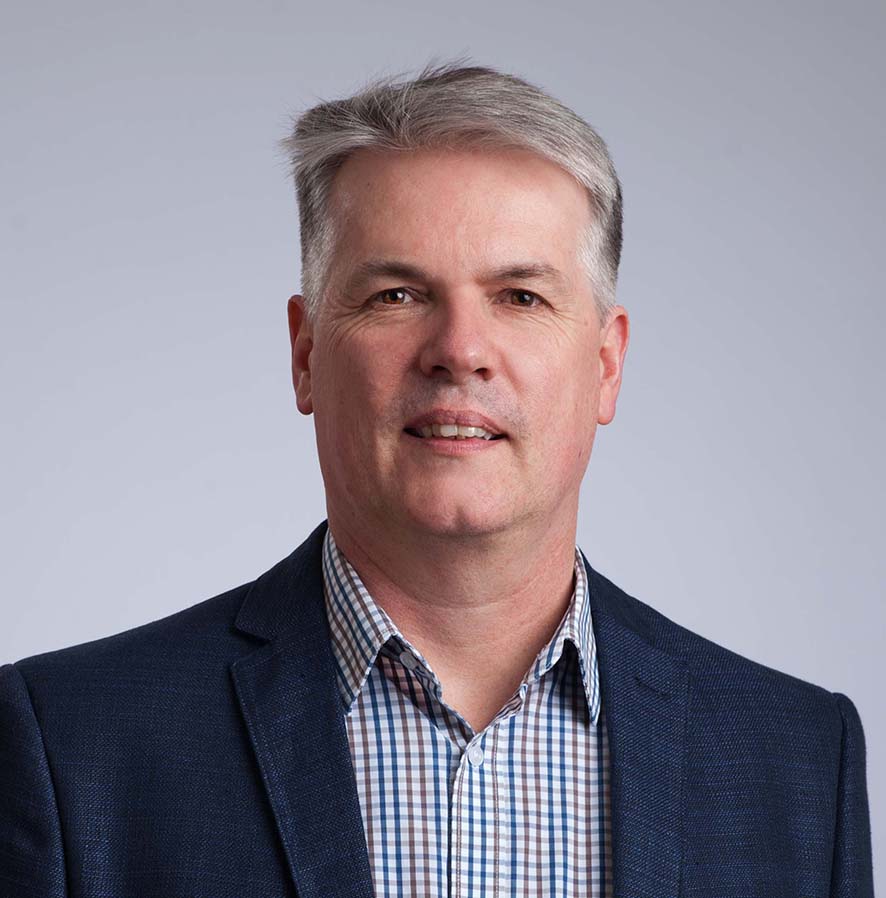
Mark Allen is the Director of the Strasbourg Astronomical Data Centre (CDS). He obtained his PhD in Astrophysics from the Australian National University in 1998, and joined the CNRS in 2004. His scientific interests are the use of e-Infrastructures for advancing astronomy, and also the astrophysical processes at the centres of galaxies. He has served as the Chair of the International Virtual Observatory Alliance (IVOA, 2017-19), and leads the Virtual Observatory aspects of the ESCAPE collaboration.